When Independence Becomes Isolation: The Risk for Seniors at Home
When Independence Becomes Isolation: Understanding Senior Isolation at Home
Summary: Independence Is Beautiful Until It Turns Into Loneliness
We all want our parents to stay independent, live in their own homes, make their own choices, and feel capable.
But we often hear concern from families across Bucks County, Philadelphia County, Delaware County, and Montgomery County about what happens when independence slowly turns into isolation.
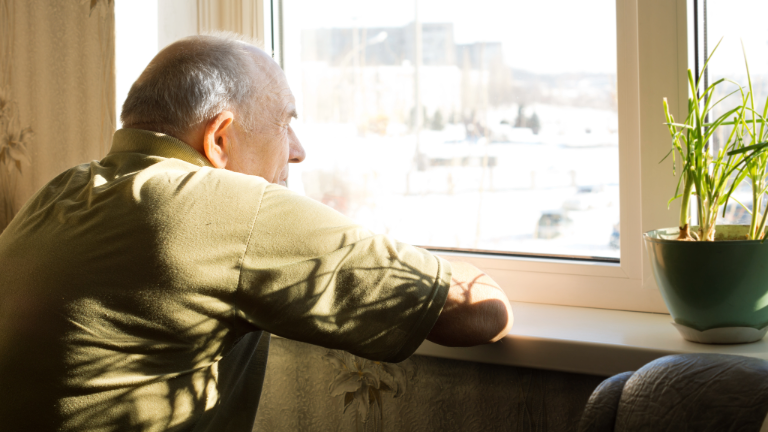
Senior isolation at home doesn’t always look dramatic. It can look like skipped meals, missed medications, or fewer phone calls returned. It can simply be a house that feels quieter than it used to. Over time, that quiet can take a toll emotionally, mentally, and physically. Senior isolation at home is more than loneliness. Senior isolation is a measurable risk factor for cognitive and physical decline in older adults.
If you’re worried about someone you love, you’re not overreacting. And you’re not alone.
The Science Behind Senior Isolation at Home
Senior isolation at home refers to a prolonged lack of meaningful social interaction for older adults living independently. We often think of loneliness as emotional discomfort, but the research tells a bigger story.
Studies from the National Institute on Aging and the CDC show that prolonged social isolation increases the risk of:
- Depression and anxiety
- Cognitive decline and dementia progression
- Heart disease and stroke
- Weakened immune response
- Increased mortality risk
Isolation doesn’t just affect a person’s mood, it also affects their brain.
When seniors stop engaging socially, cognitive stimulation drops. Conversation decreases, routine shrinks, and movement declines. Over time, that lack of engagement can accelerate memory loss and physical frailty.
The mind needs interaction the same way the body needs movement.
When Independence Crosses the Line
There’s a difference between being independent and being alone.
Independence means choice. Isolation means disconnection.
You might notice signs like:
-
- A once-social parent no longer attending church or community events
- Declining personal hygiene
- Weight loss from skipped meals
- Unopened mail piling up
- Increased confusion
- A reluctance to answer the phone
Families often tell us, “They say they’re fine.” And sometimes they mean it, but safety and emotional health are not always visible on the surface. Senior isolation at home often begins quietly and tends to deepens gradually.
The Cognitive Impact of Being Alone Too Long
Here’s what many people don’t realize:
- Conversation exercises the brain.
- Routine builds structure.
- Shared laughter reduces stress hormones.
Without regular human interaction, the brain receives fewer signals to stay sharp. That lack of stimulation can contribute to faster cognitive decline in older adults.
Social engagement has been shown to help maintain executive function, memory recall, and emotional regulation. It doesn’t eliminate disease, but it helps slow deterioration.
Companionship is not a luxury for seniors (or anyone), it is a form of preventive care.
Why Structured Companionship Care Makes a Difference
A quick visit once a month doesn’t reduce isolation risk. Visits must be consistent and intentional.
Structured companionship care provides:
- Scheduled, meaningful interaction
- Support with daily routines
- Encouragement to stay mentally engaged
- Assistance attending community activities
- Meal preparation with shared conversation
- Light mobility support
- Gentle accountability
At River Oaks Home Care, companionship is intentional. Our caregivers build relationships, notice subtle changes, encourage participation, and engage in conversation. All of this matters more than most families expect.
The Emotional Side Families Don’t Talk About
There’s often guilt in this stage. Adult children worry they’re interfering. Spouses feel torn. Families question whether they’re stepping in too soon or overstepping altogether. But choosing companionship support isn’t taking independence away, it’s protecting it. When seniors feel seen and engaged, their confidence grows. When someone shows up consistently, the day regains structure. Shared meals can improve appetite, and conversation can spark memory. Real connection has a measurable impact, and it changes outcomes in ways families don’t always expect.
Senior Isolation at Home in Bucks, Philadelphia, Delaware, and Montgomery County
In our region, many older adults live alone. Families are often balancing careers, children, and caregiving responsibilities at the same time.
River Oaks Home Care serves families throughout:
- Bucks County
- Philadelphia County
- Montgomery County
- Delaware County
We understand the local communities, from the hospitals to the neighborhoods. We know the resources available and the gaps.
When families search online late at night wondering if their parent is okay alone, they’re not looking for a brochure. They’re looking for reassurance and a real plan.
We provide both.
Signs It May Be Time to Act
If you’re actively researching solutions, trust that instinct. Consider companionship support if you notice:
- Increasing forgetfulness
- Reduced mobility
- Loss of interest in hobbies
- Isolation after the loss of a spouse
- Decreased appetite
- Long stretches without social interaction
Waiting for a crisis is common, but it doesn’t have to be. Proactive companionship care helps stabilize routines, maintain cognitive engagement, and support emotional well-being before loneliness begins to translate into measurable physical or mental decline.
Frequently Asked Questions About Senior Isolation at Home
What are the risks of senior isolation at home?
Social isolation increases the risk of depression, cognitive decline, heart disease, and overall health deterioration.
How does companionship care help prevent decline?
Regular interaction stimulates cognitive function, improves mood, reinforces routine, and supports physical mobility.
Is companionship care the same as medical care?
No. Companionship focuses on engagement, routine support, and daily living assistance, not medical treatment.
How do I know if my parent is lonely?
Changes in behavior, mood, appetite, hygiene, or social participation can indicate growing isolation.
What causes senior isolation at home?
Factors include living alone, loss of a spouse, limited mobility, transportation challenges, and reduced community engagement.
A Final Thought on Senior Isolation at Home
Independence is something we celebrate as a society. For many, it represents dignity and identity. But independence without connection can become isolation.
If you are worried about someone you love in Bucks County, Philadelphia County, Delaware County, or Montgomery County, you don’t have to solve this alone.
At River Oaks Home Care, we believe companionship is powerful. We believe consistency matters and that seniors deserve to feel connected. Aging at home should never mean aging alone.
About River Oaks Home Care
River Oaks Home Care provides compassionate in-home companionship and personal care services to seniors throughout Bucks County, Philadelphia County, Delaware County, and Montgomery County. Our team is committed to preserving independence while reducing the risks associated with senior isolation at home. Through structured companionship and attentive support, we help older adults remain safe, engaged, and confident in the place they call home.
If you’re ready to talk through what you’re seeing, we’re here to listen. Contact us here.